Get certified for free when you join Fabric Data Days 2026 and dive into Fabric, Power BI, SQL, AI, and other essential data skills.
Join nowData Days is here! Join us now for 60+ days of learning, challenges, and connection. Learn more
Hey everyone,
First time here. I looked for an answer in the community but couldn't find it. I have received a data from an external database in Power BI. Received data is as a flat list of records. I grouped these records by their 'category' attribute. Because each record belonging to the same category have the same record structure. So it makes sense to have them as a separate tables. To come to my question: Now I have a table with one column being the category names, the second column being the data itself.
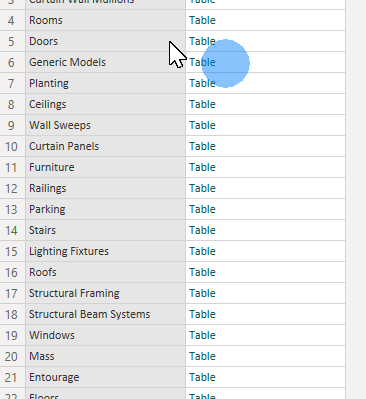
I want to convert each of these tables into separate queries. I can do so by right clicking on tables, and selecting "Add as New Query" option but this is not very future proof. Because. once my data gets updated, I might have more categories. And manually converting tables as new queries can be time consuming once I have more than 30 rows.
So question is, is there a way to automate this process? Convert each table value in "all_data" column and add them as a new query?
Any help is welcome. Thanks!
Solved! Go to Solution.
Hi @bilalg
I'm afraid it is not possible to add new queries from table values in a column of an existing query automatically. New queries can only be added manually at present.
Best Regards,
Community Support Team _ Jing
If this post helps, please Accept it as Solution to help other members find it.
Hi @bilalg
I'm afraid it is not possible to add new queries from table values in a column of an existing query automatically. New queries can only be added manually at present.
Best Regards,
Community Support Team _ Jing
If this post helps, please Accept it as Solution to help other members find it.
Don't miss out on Data Days, June 15 through August 7. Learn Fabric, Power BI, SQL, AI and more.
Check out the May 2026 Power BI update to learn about new features.
| User | Count |
|---|---|
| 4 | |
| 4 | |
| 3 | |
| 2 | |
| 1 |
| User | Count |
|---|---|
| 11 | |
| 11 | |
| 5 | |
| 4 | |
| 4 |