This time we’re going bigger than ever. Fabric, Power BI, SQL, AI and more. We're covering it all. You won't want to miss it.
Learn moreDid you hear? There's a new SQL AI Developer certification (DP-800). Start preparing now and be one of the first to get certified. Register now
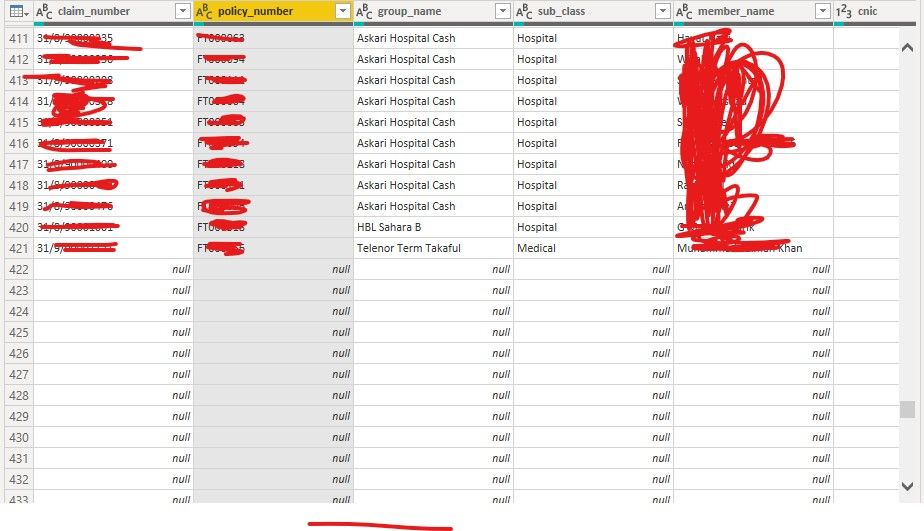
I was trying to append two tables using append queries but when i am trying to append into one , Power query isn't showing the merged table ( total data of two tables) wheres as it is just showing the rows from one table and the rows from other table is appearing to be null.
The rows of my first table are 421 and after the that the rows of the second table should start, but they are appearing to be null.
Solved! Go to Solution.
Hi @Anonymous ,
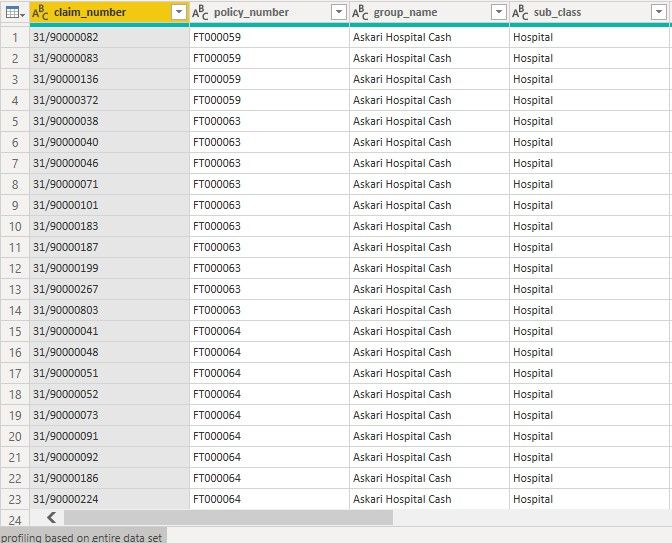
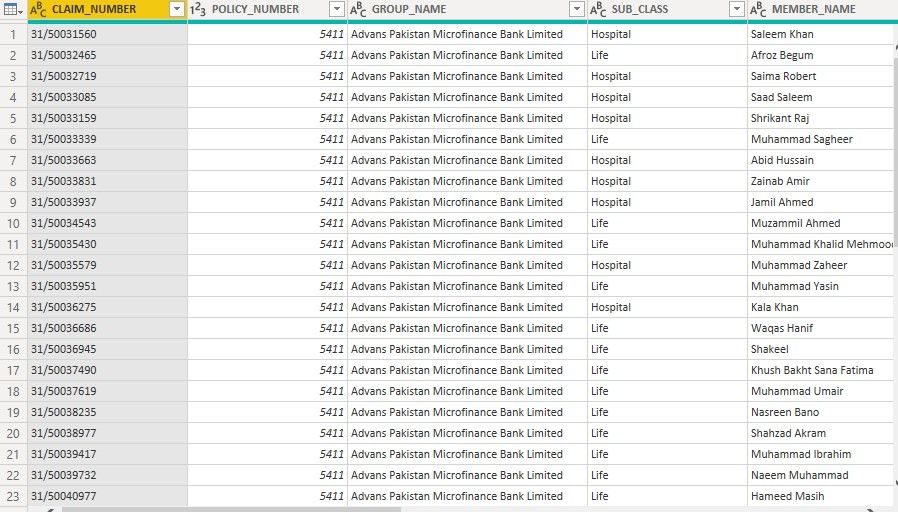
@Anonymous is correct, the fields should have the same name but, just as important, they must be the same CASE.
M code is entirely case-sensitive, so it will see capitalised and non-capitalised field names as completely different words.
I imagine that, while your rows under your original table appear null, you will have a load of new columns to the right with the field names as they appear in your second table which contain the values you're looking for. This is a sure-fire indicator that Power Query is seeing the field names as different values.
For completeness: you must also ensure that your fields to be appended are also the same DATA TYPE, but it doesn't look like this is affecting you.
Pete
Proud to be a Datanaut!
Hello @Anonymous ,
Could you share some data ?
These are the two tables that i am trying to append
Hello @Anonymous ,
I am able to append the data.
Make sure to append the data both tables should have same column name.
Hi @Anonymous ,
@Anonymous is correct, the fields should have the same name but, just as important, they must be the same CASE.
M code is entirely case-sensitive, so it will see capitalised and non-capitalised field names as completely different words.
I imagine that, while your rows under your original table appear null, you will have a load of new columns to the right with the field names as they appear in your second table which contain the values you're looking for. This is a sure-fire indicator that Power Query is seeing the field names as different values.
For completeness: you must also ensure that your fields to be appended are also the same DATA TYPE, but it doesn't look like this is affecting you.
Pete
Proud to be a Datanaut!
Check out the April 2026 Power BI update to learn about new features.
Sign up to receive a private message when registration opens and key events begin.
If you have recently started exploring Fabric, we'd love to hear how it's going. Your feedback can help with product improvements.
| User | Count |
|---|---|
| 35 | |
| 32 | |
| 25 | |
| 23 | |
| 16 |
| User | Count |
|---|---|
| 65 | |
| 50 | |
| 30 | |
| 23 | |
| 23 |