
This time we’re going bigger than ever. Fabric, Power BI, SQL, AI and more. We're covering it all. You won't want to miss it.
Learn moreDid you hear? There's a new SQL AI Developer certification (DP-800). Start preparing now and be one of the first to get certified. Register now
Hello,
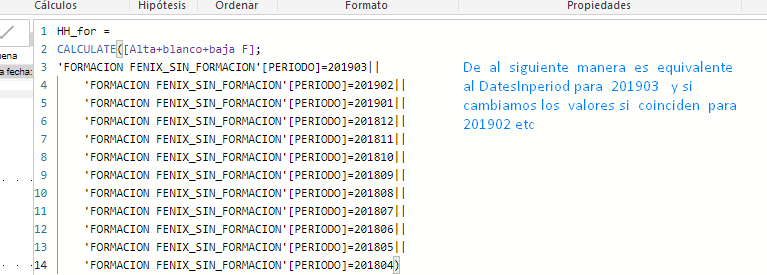
I want to use this structure but dynamically;
HH_for = CALCULATE ([High + white + low F];
'TRAINING' [PERIOD] = 201903 ||
'TRAINING' [PERIOD] = 201902 ||
'TRAINING' [PERIOD] = 201901 ||
'TRAINING' [PERIOD] = 201812 ||
'TRAINING' [PERIOD] = 201811 ||
'TRAINING' [PERIOD] = 201810 ||
'TRAINING' [PERIOD] = 201809 ||
'TRAINING' [PERIOD] = 201808 ||
'TRAINING' [PERIOD] = 201807 ||
'TRAINING' [PERIOD] = 201806 ||
'TRAINING' [PERIOD] = 201805 ||
'TRAINING' [PERIOD] = 201804)
Before suggesting other options, try the following:
HH_for = CALCULATE ([High + white + low F];
DATESINPERIOD ('TRAINING' (end_date); MAX ('TRAINING' (end_date)); - 12; MONTH)
@Anonymous ,
It seems like you need to achieve rolling total of previous 12 months? Could you share some sample data and clarify more details?
Regards,
Jimmy Tao
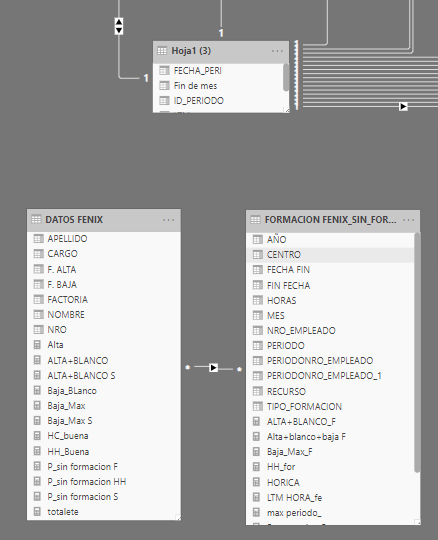
initial relationship
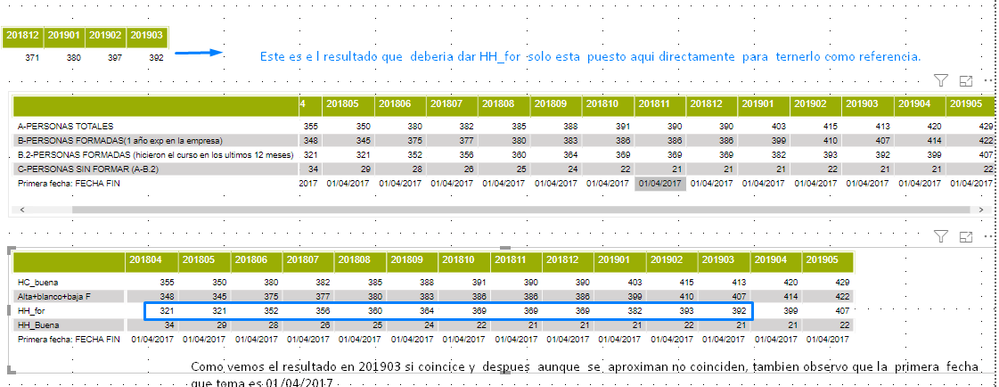
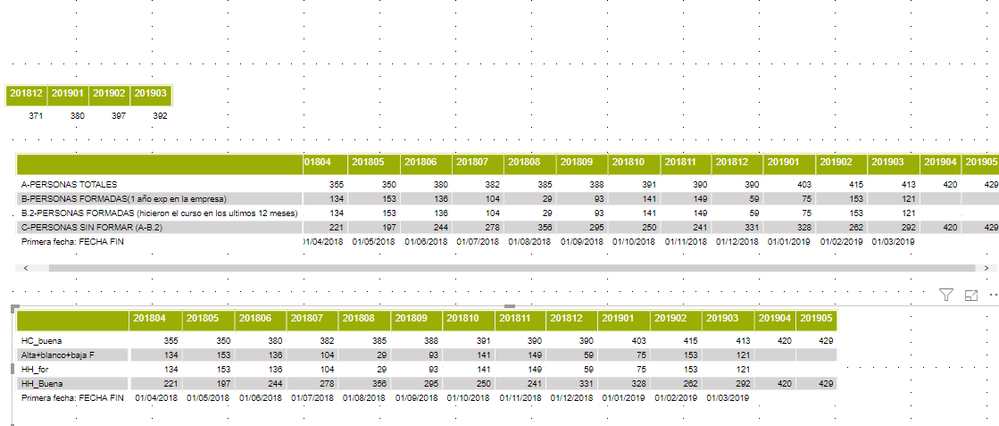
1. This is the result you should get. 2. HH_for as we see the result is approaching
Using Datesinperiod -12 Month
this option I get the correct results but in a static way. option dynamically?
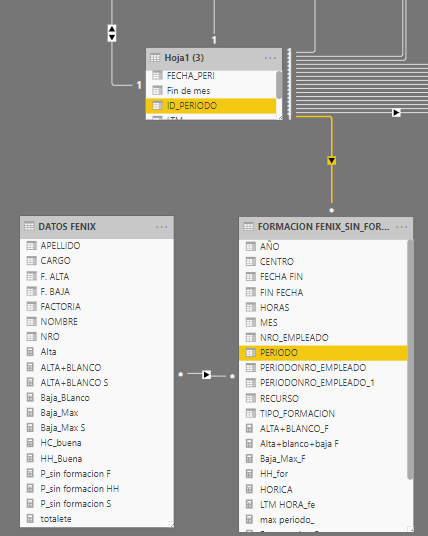
Relationship option 2
Results
2º EJample
Check out the April 2026 Power BI update to learn about new features.
Sign up to receive a private message when registration opens and key events begin.
If you have recently started exploring Fabric, we'd love to hear how it's going. Your feedback can help with product improvements.
| User | Count |
|---|---|
| 35 | |
| 32 | |
| 27 | |
| 23 | |
| 16 |
| User | Count |
|---|---|
| 65 | |
| 50 | |
| 30 | |
| 25 | |
| 24 |